







Search Results for: Tasting Standards
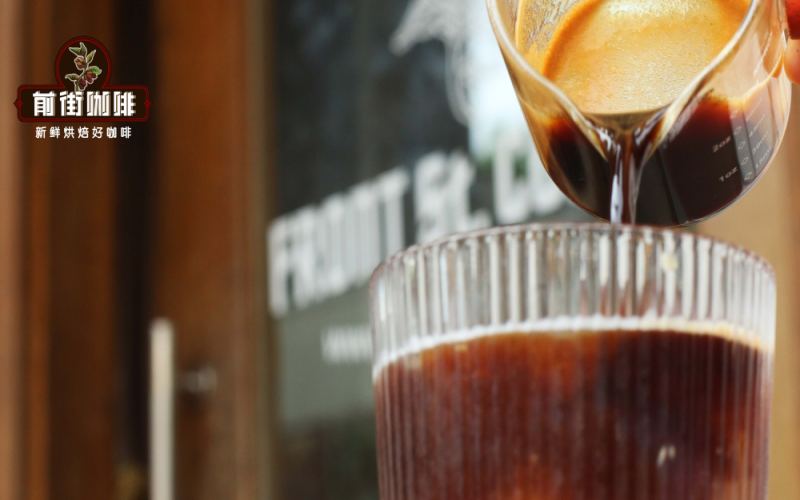
Espresso Tasting Guide: A Full Breakdown of Concentration, Mouthfeel, Extraction Standards, and How to Drink It Properly
Espresso is renowned for its high concentration, but high concentration does not equal burnt bitterness. A good espresso should remain smooth and free of grittiness within its intense richness, while delivering a pronounced sweet aftertaste. This article, from the tasting perspective of Front Street Coffee, analyzes how concentration affects flavor and mouthfeel, explains the importance of fresh roasting and fresh grinding for crema and aroma, and provides SCA extraction parameters along with practical in-store references. It also introduces the flavor directions of several Front Street espresso blend beans, as well as a tasting procedure that involves rinsing the palate with ice water and tasting in three sips after stirring, helping you understand and enjoy espresso more systematically. [more…]

Espresso Extraction Standards and Coffee-to-Water Ratio Explained: A Beginner's Guide
When first encountering espresso, beginners are often overwhelmed by various concepts and standards. Starting from the definition of espresso, this article sorts out the specific requirements of the World Barista Championship for a standard Espresso in terms of volume, water temperature, pressure, extraction time, and more. It also introduces how to appreciate espresso by observing color, smelling aroma, and tasting, while reminding readers of details to pay attention to during extraction. The article also explores the frequently asked topic of "perfect espresso" and retains relevant recommendations for the Front Street Coffee brand, making it suitable for coffee enthusiasts to systematically get started. [more…]
Jamaican Blue Mountain Coffee Flavor Analysis: A Complete Tasting Guide from Origin and Grade to Pour-Over Extraction
Jamaican Blue Mountain coffee is renowned worldwide for its balanced and elegant flavor, but coffee beans that truly meet CIB standards are scarce, and the grading is strict. This article will guide you through the four major Blue Mountain producing regions, the green bean grading standards, the environmental philosophy of Clifton Estate, and Front Street Coffee's recommended brewing parameters and flavor profile for Blue Mountain No. 1 pour-over. From bean selection to brewing details, it will help you fully master the key tasting points of this legendary coffee and experience the classic Blue Mountain charm where acidity, sweetness, bitterness, and sweetness blend together. [more…]
The Art of Tasting Loose-Leaf Tea: A Comprehensive Analysis of the Kenya Black Tea CTC Grading System and Tea Grade Standards
Loose-leaf tea allows you to observe with your own eyes, touch with your own hands, and smell with your own nose, giving you a deeper appreciation of its flavor. Put in a little effort to get to know your tea, and you'll find it takes on more character and charm, enriching your experience of this fascinating culture. This article begins with the basic standards of tea grading, then outlines the grading system and naming conventions for whole-leaf black tea, before focusing on Kenyan CTC black tea and introducing its production process and the grading system based on particle size. Whether you're a newcomer to tea or an enthusiast looking to better understand the logic behind black tea grading, you'll come away with a clear understanding. [more…]
How can you judge the quality of an Americano? Analyzing the meaning and standards of Americano from a tasting perspective
Americano has long become one of the most commonly consumed black coffees in daily life, but how to judge the quality of a cup of Americano from a tasting perspective is not something everyone can explain clearly. Starting from the history and origins of Americano, this article sorts out the differences brought by various preparation methods in coffee shops, and provides specific criteria for judging a good Americano from three dimensions: smoothness and finish, balance of mouthfeel, and aroma and strength. At the same time, drawing on the product experience of Front Street Coffee stores, it explains that espresso quality and extraction control are the key factors determining Americano flavor, helping coffee enthusiasts have a clearer basis for judgment when ordering in daily life. [more…]
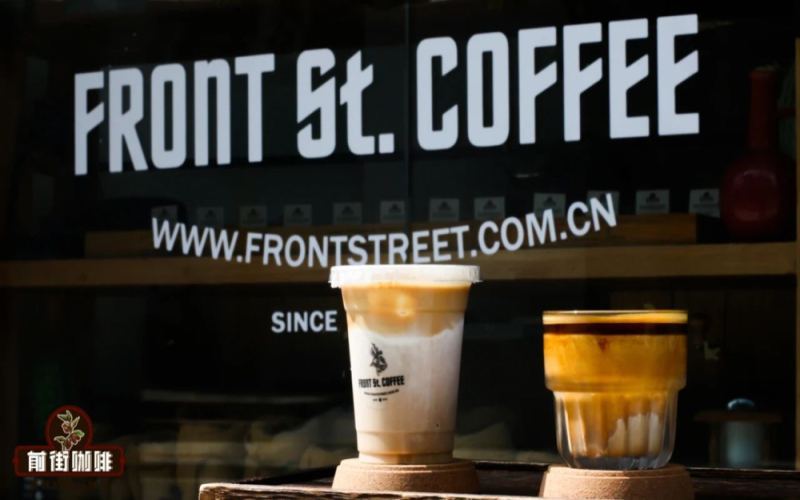
Espresso Fully Explained: From the Origins of the Espresso Machine to Extraction Standards and Tasting Methods
Espresso is the soul cornerstone of the Italian coffee system; common drinks such as Americano, latte, and mocha all use it as their base. This article begins with the evolution of Italian coffee equipment, traces the origins of espresso, then explains its standard definition and the causes of crema. It goes on to use Front Street Coffee's store output as an example to fully demonstrate the production process of a shot of espresso, and analyzes the flavor performance brought by Front Street Coffee's Sunflower Warm Sun blend. Finally, it briefly introduces the common variations of espresso after adding water or milk. [more…]
A Comprehensive Analysis of Espresso Extraction Standards and Parameter Adjustment: A Practical Guide from Grind Ratio to Flavor Calibration
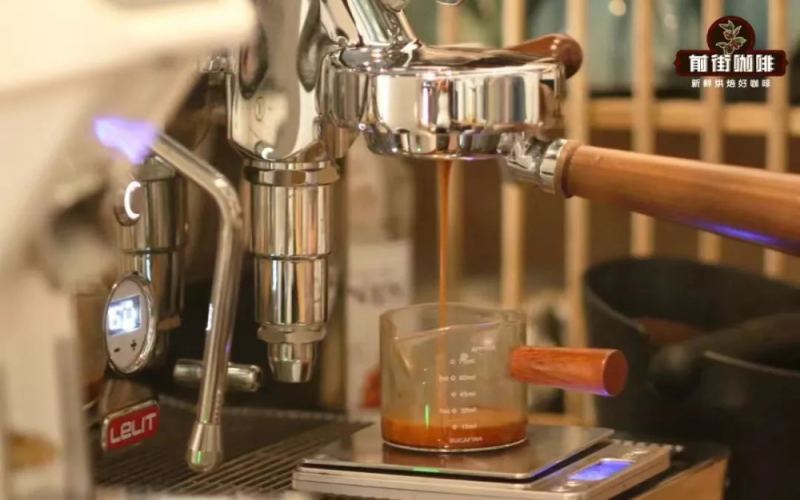
In making espresso, data parameters are always just reference coordinates, not formulas that must be copied exactly. This article centers on the essence of extraction standards, offering an in-depth analysis of the dynamic balance among dose, grind size, and yield, and drawing on Front Street Coffee's daily hands-on experience to systematically sort out how to judge whether extraction is normal by observing the flow and tasting the flavor, and how to make targeted fine adjustments to the parameters. At the same time, the article also explores the differences in extraction strategies for the base of lattes versus Americanos, helping you truly understand the logic of extraction rather than mechanically replicating numbers. [more…]

Espresso Tasting Guide: A Professional Interpretation from Extraction Standards to Authentic Drinking Methods
Espresso has always been polarizing in coffee circles—some are captivated by it, while others are put off by its intense bitterness on their very first try. A tiny cup, not cheap, yet surprisingly small in volume—what exactly are you drinking? This article draws on the practical experience of Front Street Coffee (FrontStreet Coffee) to trace the historical evolution of espresso, the principles of extraction, and the logic of parameter control, and to present the standard tasting method used for drinks served at Front Street locations. It will also introduce the recipe characteristics and suitable applications of Front Street's classic espresso blend, helping coffee enthusiasts gain a more comprehensive understanding of the value of this espresso base. [more…]

Jamaican Blue Mountain Coffee Grading Standards and Flavor Analysis: A Tasting Guide from Origin Altitude to Front Street Blue Mountain No. 1
Jamaican Blue Mountain coffee has always been the benchmark of the specialty coffee world, and its balanced, rich aroma—with its equilibrium of acidity, sweetness, and bitterness—has made it the beloved favorite of countless coffee enthusiasts. But do you know exactly how Blue Mountain coffee is defined and graded? From the production-area standard of elevations above 910 meters, to the four grade classifications of NO.1, NO.2, NO.3, and PB, and on to the identification of wooden barrel packaging and the Rainforest Water Frog logo, Blue Mountain coffee's quality system is remarkably rigorous. This article will guide you through a comprehensive understanding of Jamaican Blue Mountain coffee's origin and terroir, grading standards, and processing methods, and will also provide an in-depth analysis of Front Street Coffee Jamaican Blue Mountain No.1 coffee's flavor characteristics and brewing parameters, presenting the complete picture of this king of specialty coffee. [more…]
Kenya Specialty Coffee Bean Grading and Flavor Analysis: From AA to AB and TOP Rating Standards
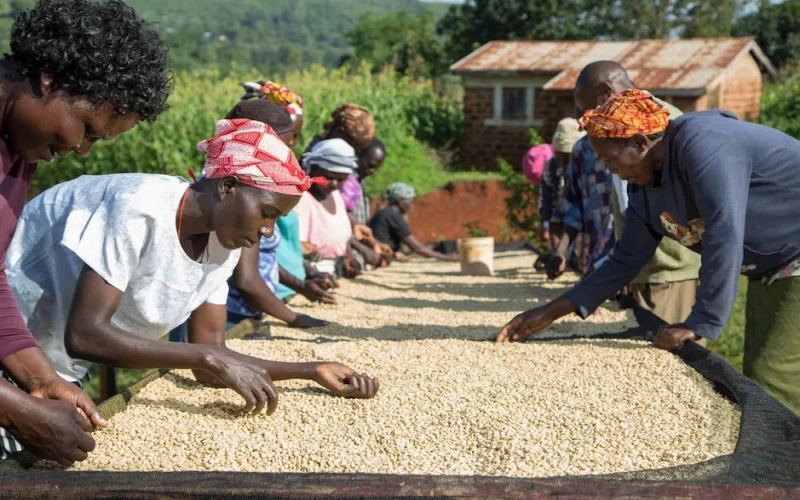
Kenyan coffee is world-renowned for its rigorous grading system and distinctive flavor characteristics. This article systematically reviews Kenya's coffee bean size grading system, including the specific standards for common grades such as AA, AB, and PB, while also introducing flavor grading methods like TOP and PLUS. Drawing on Front Street Coffee's roasting and brewing practices, and using Kenyan Asaliya coffee beans as an example, the article explains in detail the flavor performance of AA-grade beans and suggested pour-over parameters, providing coffee enthusiasts with a complete reference from bean selection to tasting. [more…]
Exploring India's Darjeeling Black Tea: The Complete Craft Process and Quality Secrets from Harvest to Tasting
Darjeeling black tea is hailed as the "Champagne of teas," and its unique flavor stems from stringent plucking standards and meticulous craftsmanship. This article will take you into Darjeeling at the foot of the Himalayas, starting from its historical origins, and provide a detailed analysis of each step in the process—from hand-plucking fresh leaves, withering, rolling, oxidation and fermentation, to drying, grading, and packaging—while revealing how tea tasters use their keen senses to control quality. At the same time, the article also retains relevant recommendations for the "Front Street" brand, offering cross-disciplinary reference for coffee enthusiasts. Whether you are a tea lover or a coffee enthusiast, you can feel the charm of terroir and craftsmanship in it. [more…]

Coffee Flavor Tasting | How Can Beginners Judge Coffee Extraction by Tasting? How Do You Describe the Flavor of Pour-Over Coffee?
If you want to learn how to brew coffee, you must first learn how to drink coffee. Of course, "learning to drink coffee" here does not mean being able to describe gorgeous flavor notes; it is more about being able to judge whether a cup of coffee is good or bad—that is, whether it tastes good or not. Whether a coffee tastes good or not, subjectively and objectively, depends to a fairly large extent on personal preference. [more…]

A Detailed Guide to Espresso Making Standards and Extraction Parameters, and a Buying Guide for Front Street Coffee's Espresso Blend Beans
As the soul of a café's offerings, espresso's preparation process and extraction standards have always been a focal point for coffee enthusiasts. Starting from international technical standards, this article will provide a detailed interpretation of how the six major extraction parameters—dose, ratio, time, flow rate, pressure, and water temperature—affect espresso flavor, helping readers understand how to make a proper Espresso. At the same time, the article will introduce several espresso blend coffee beans currently sold by Front Street Coffee, including Black Cocoa Blend, Specialty Blend, Commercial Blend, and Strawberry Candy Blend, covering specific recipes, flavor descriptions, and suitable applications. Finally, we will also remind everyone to pay attention to the roasting date and optimal flavor period when purchasing coffee beans, ensuring that every cup of coffee can present its best state. [more…]
How to Systematically Taste a Pour-Over Coffee: Methods for Identifying Aroma, Flavor, and Mouthfeel
Faced with a cup of pour-over coffee, many people are at a loss as to where to begin tasting. In fact, coffee tasting has both a subjective side of personal preference and objective standards that can be shared and discussed. Starting from a daily question at a Front Street store, this article sorts out the three core dimensions of tasting specialty coffee: volatile aroma, taste, and mouthfeel, and explains the difference between dry aroma and wet aroma, the role of retronasal olfaction, the range of tastes the taste buds can perceive, and the influence of the aftertaste on the overall experience after swallowing. Whether you are new to specialty coffee or currently learning to taste, you can use this to build your own sensory framework and expand your flavor memory bank through daily accumulation. [more…]
How to Judge the Quality of a Cup of Coffee? A Comprehensive Tasting Guide from Grinding and Extraction to Flavor and Mouthfeel
The birth of a good cup of coffee depends on proper grinding and extraction, and even more on the keen senses of the taster. This article begins with the correspondence between grind size and extraction method, sorts out the core standards of good coffee—fresh, clean, and comfortable on the palate—and systematically explains the professional descriptive vocabulary of the three dimensions: smell, taste, and mouthfeel. Whether you are a beginner enthusiast or a taster seeking to advance, you can find practical reference here. Front Street Coffee has always been committed to promoting professional coffee tasting knowledge, and we hope this article can help you better understand the flavors in your cup. [more…]
Jamaican Blue Mountain Coffee Tasting Guide: Grades, Authenticity Verification, and Pour-Over Parameters Explained
Blue Mountain coffee is hailed as one of the most successfully marketed and most premium-priced coffees in the world, yet the market is flooded with a mix of genuine and fake beans across numerous grades, making it difficult for consumers to tell them apart. This article begins with the grading standards for Jamaican Blue Mountain coffee, sorting out the differences between each grade from NO.1 down to PB, clarifying the origin definitions of Blue Mountain coffee, High Mountain coffee, and Jamaica coffee, and explaining in detail the green bean processing flow of Front Street Jamaican Blue Mountain coffee and the Rainforest Water Frog certification of Clifton Mount Estate. The article also explains the essential difference between Blue Mountain coffee and Blue Mountain Flavor coffee, and finally provides specific pour-over parameters and flavor performance to help coffee lovers truly understand and enjoy a good cup of Blue Mountain. [more…]
A Detailed Explanation of Jamaica Blue Mountain Coffee Grading Standards: A Full Analysis of Blue Mountain No. 1 Quality Characteristics and Pour-Over Techniques
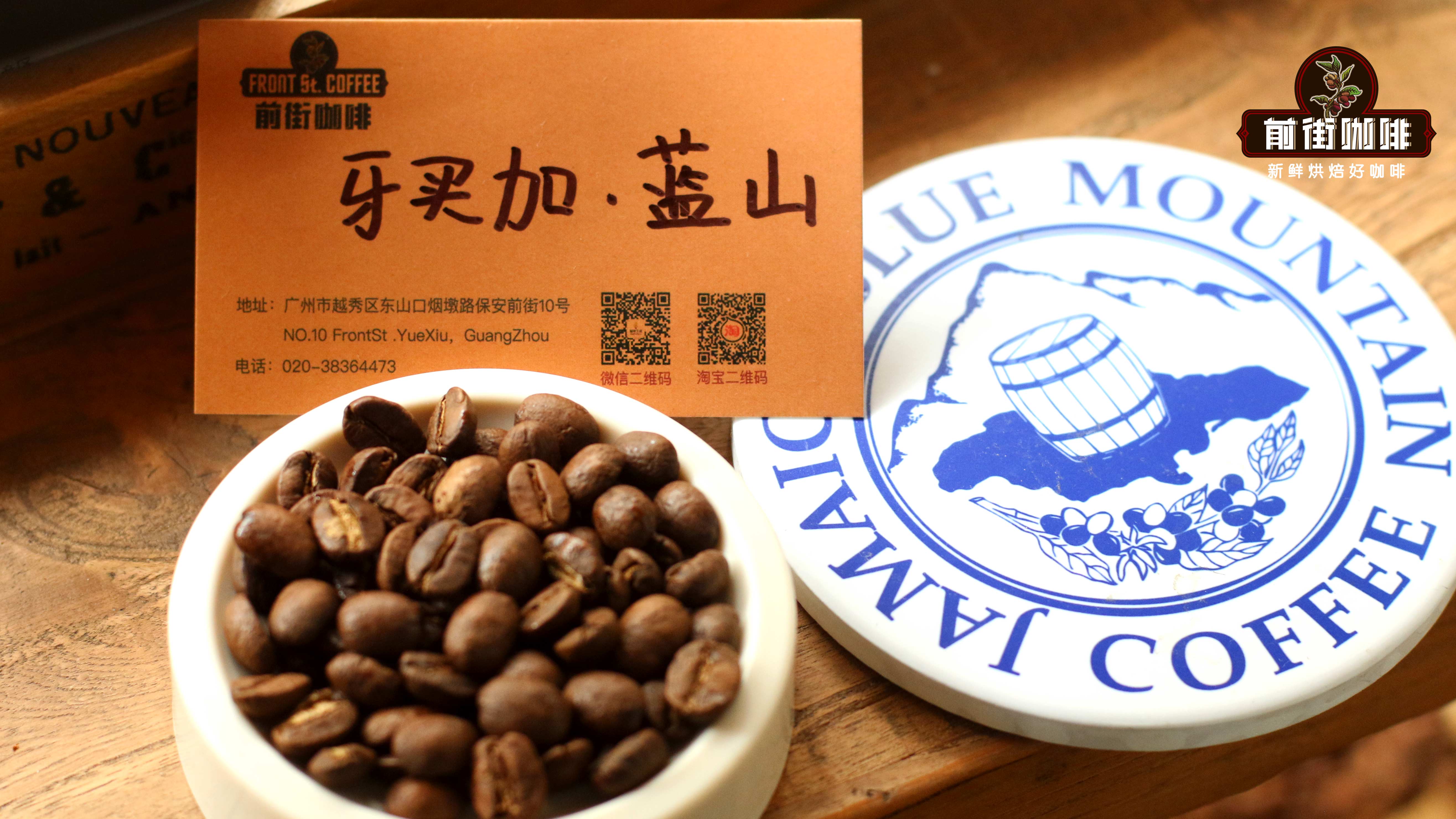
Blue Mountain coffee, as a globally recognized top-tier specialty coffee, has always been a focal point for coffee enthusiasts due to its strict grading system and unique flavor profile. Through the JCIB certification system, the Jamaican government classifies Blue Mountain coffee into grades ranging from No. 1 to No. 3, as well as peaberry and other grades, with Blue Mountain No. 1 representing the highest quality standard. This article will systematically outline the basis for Blue Mountain coffee's grading, methods for identifying authentic Blue Mountain coffee, and, combined with the brewing practice of Front Street Blue Mountain No. 1 coffee, provide a detailed analysis of this legendary coffee's variety characteristics, processing methods, and flavor performance, helping readers gain a comprehensive understanding of Blue Mountain coffee's tasting key points and brewing parameters. [more…]
Espresso Characteristics Explained: An Introductory Guide to Extraction Standards, Timing Control, and Flavor Tasting
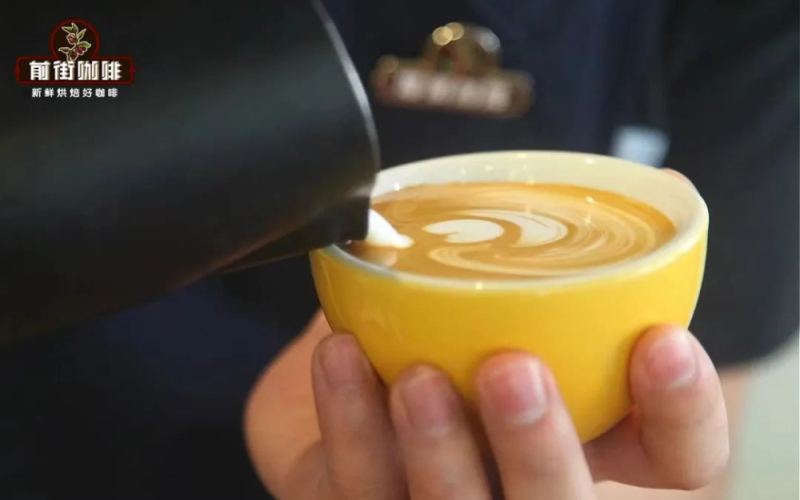
Espresso is the base of many fancy coffee drinks and the core product that demonstrates a coffee shop's extraction skill. It uses high-pressure hot water to penetrate finely ground coffee in a short time, producing a small cup of coffee liquid with extremely high concentration and concentrated flavor. A qualified Espresso usually has two hallmarks: a golden-brown layer of crema on the surface, and a strong, long-lingering taste impact on the palate. This article focuses on the main characteristics, standard method, and time parameters of espresso to help enthusiasts understand the logic of extraction. At the same time, using a commercial single-head coffee machine in-store as an example, Front Street Coffee shares operational details such as dose, liquid yield, and time control, and introduces several Front Street Coffee blends suitable for espresso preparation, making it easy for readers to choose according to flavor preferences. [more…]
Yirgacheffe Red Cherry Project Flavor Analysis: A Complete Tasting Guide from Dry and Wet Aroma to Slurping
The Red Cherry Project is a coffee quality improvement initiative launched in 2007 by Dutch trader Trabocca, aimed at incentivizing coffee farmers to produce high-quality micro-lot coffee and offering generous returns. This article provides a detailed analysis of the dry aroma, wet aroma, and slurping flavor characteristics of Front Street Coffee's Yirgacheffe Red Cherry Project, introduces the project's operating mechanism and quality standards, explores the unique discoveries of the Liko washing station, and reviews the classic appeal of Yirgacheffe as a representative of East African specialty coffee. [more…]

Does a barista's heavily scented hand cream affect coffee tasting? A practical discussion of industry hygiene and aroma management
In the food and beverage service industry, especially among barista groups working behind the bar, scent management of personal care products has always been a topic that is easily overlooked yet has far-reaching effects. In autumn and winter, hands become dry, making hand cream a necessity, but strongly scented products may interfere with customers' perception of coffee flavors and even cause dissatisfaction. Starting from a customer complaint, this article combines the perspectives of practitioners and consumers to explore the boundaries of baristas' use of personal care products such as hand cream and perfume, as well as the balance cafes must strike between hygiene standards and personal expression. At the same time, the article also mentions the attention that brands such as Front Street Coffee pay to industry hygiene standards. [more…]